What a Russian Manicure Certificate Means for Beginners
Russian manicure is one of the most requested advanced-looking manicure styles in modern salons, but learning it properly takes more than watching videos or copying finished results. The technique requires controlled e-file movement, careful cuticle preparation, sanitation awareness, product control, and repeated hands-on correction.
For beginners, one of the most confusing topics is certification. Many students search for a “Russian manicure certification” without realizing that a school certificate and a New York State nail specialty license are not the same thing.
This guide explains what a Russian manicure certificate of completion can show, what it does not replace, and what beginners should understand before choosing hands-on training.
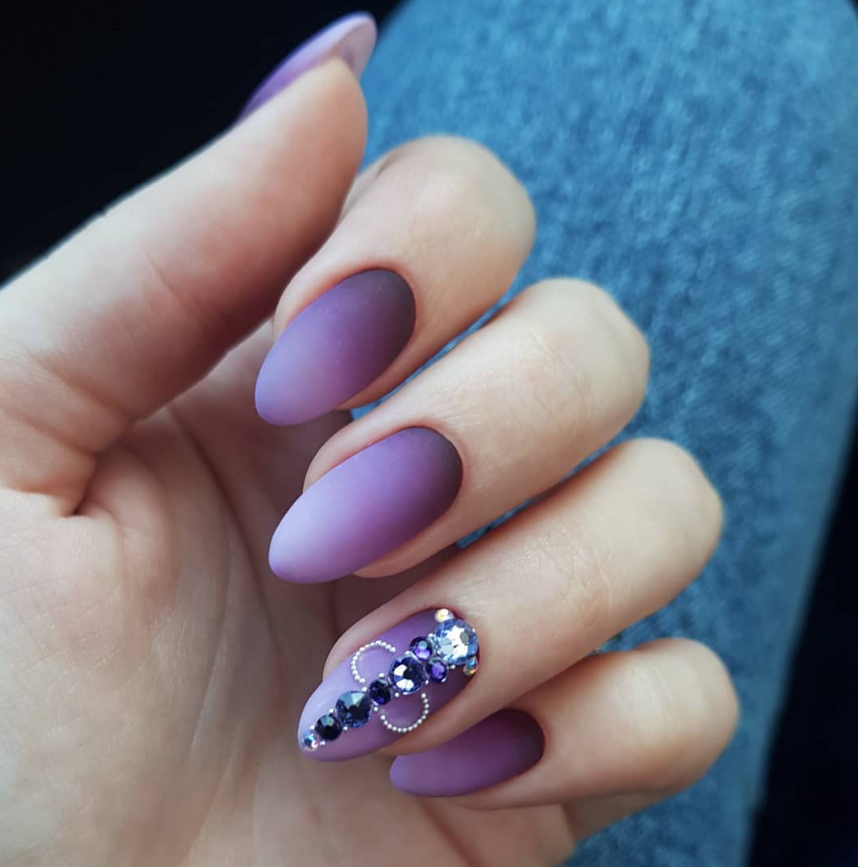
What a Russian Manicure Certificate Can Show
A Russian manicure certificate of completion usually shows that a student participated in a specific training program and completed the required course activities.
Depending on the school and program, this may include practice in:
e-file control
cuticle preparation
nail anatomy basics
sanitation and sterilization workflow
gel polish application
product placement near the cuticle area
hand positioning and pressure control
live model or supervised practice
A certificate can be useful because it shows that you invested in structured education. It can also help organize your learning path as a new nail student.
However, a certificate should not be treated as proof of mastery. Russian manicure is a technical skill that improves through correction, repetition, and real practice over time.
Certificate of Completion vs. New York State License
This distinction is important.
A Mars Nails School certificate is a certificate of completion. It reflects participation in skill-focused training at the school.
It is not a New York State nail specialty license.
A New York State license is a legal credential issued through the state licensing process. A school certificate does not replace state licensing requirements and should not be described as a license.
Beginners should understand the difference before enrolling in any course:
Certificate of completion: shows that you completed a specific training program
Skill certificate: reflects course participation and technique training
New York State license: relates to legal permission to work under state requirements
If your goal is to work professionally, review the current New York State requirements separately. A responsible training program should be clear about what it provides and what it does not provide.
Skills Beginners Should Learn Before Working on Clients
Beginner education should not focus only on making the final result look clean.
Important beginner skills include:
Nail Anatomy Awareness
Students should understand the difference between living and non-living tissue and learn how to avoid unnecessary trauma.E-File Control
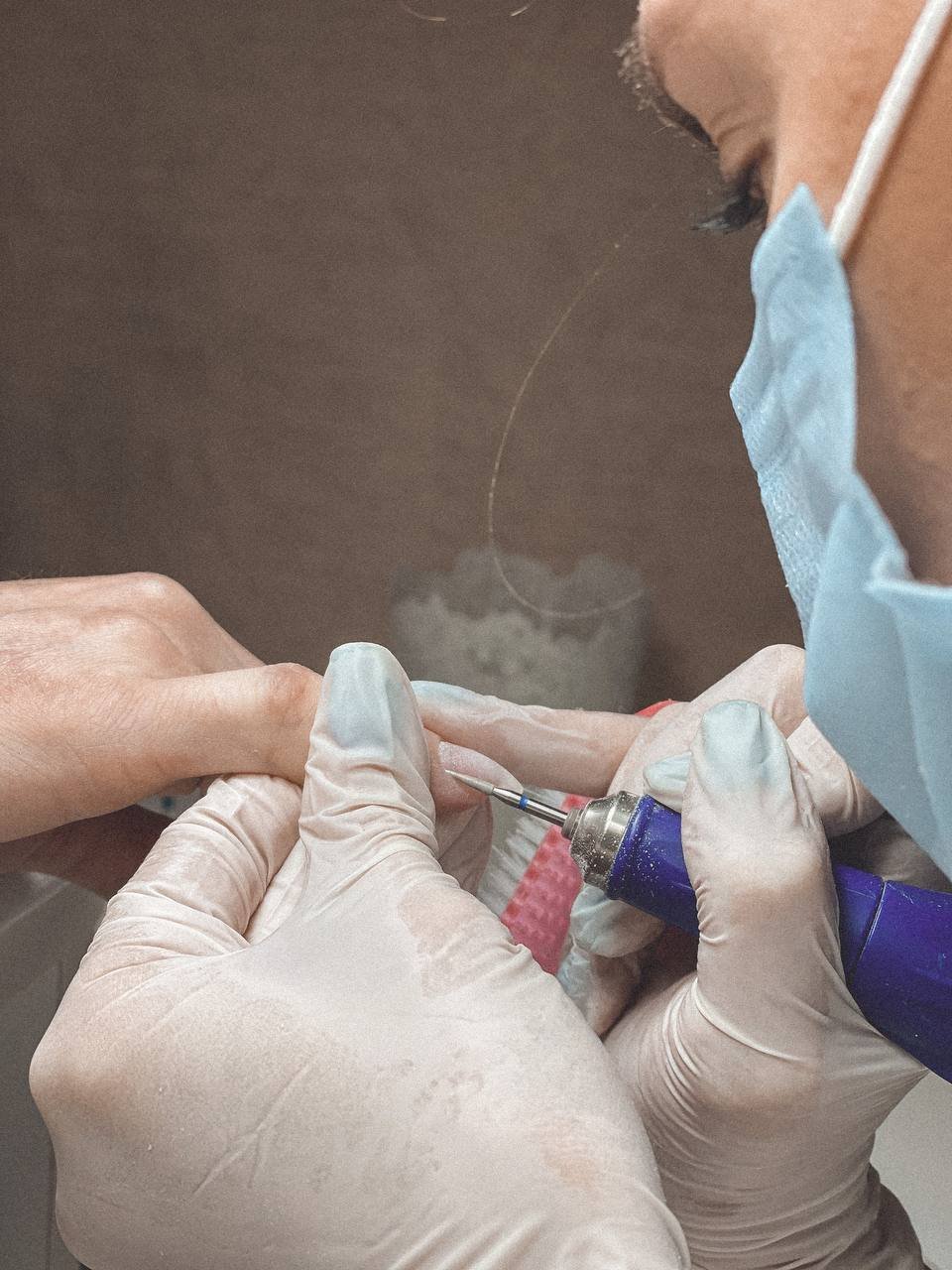
Beginners need to learn pressure, angle, direction, and speed before trying to work close to the cuticle area.Sanitation and Sterilization Workflow
Clean technique includes proper tool handling, disinfection, sterilization awareness, and workstation hygiene.Cuticle Preparation
Students should learn how to lift, clean, and prepare the cuticle area without overworking the nail or skin.Product Application
Clean prep supports a cleaner finish, but gel still needs to be applied with control and restraint.
What Beginners Should Look for Before Choosing a Program
Before choosing training, beginners should look beyond the word “certification.” The quality of the education matters more than the label.
A strong beginner program should include:
in-person instruction
real-time correction
small-group attention
professional tools and materials
sanitation and sterilization workflow
nail anatomy and safety basics
supervised practice
clear certificate wording
honest explanation of certificate vs. license
Be careful with any course that promises instant mastery, guaranteed income, guaranteed bookings, or licensing without explaining the legal requirements.
A good course should help you build a foundation. It should not overpromise what one training can do.
Next Step for Beginner Students
If you are new to Russian manicure, start with the foundation. Learn e-file control, cuticle preparation, sanitation workflow, product placement, and safe technique before trying to work quickly or copy advanced results.
Mars Nails School teaches in person in Manhattan for students who want structured practice and direct correction.
Ready to start with the fundamentals? View our beginner Russian manicure course.