Why YouTube Nail Training Can Damage Your Career (and Your Clients)
You can learn inspiration on YouTube. You can learn trends on TikTok. But if you’re trying to learn Russian manicure / e-file pedicure purely from videos, you’re gambling with the two things that matter most in this industry:
Your client’s natural nail health
Your reputation
Search results and forums are filled with negative stories about “Russian manicure dangers” - not because the technique is inherently harmful, but because self-taught e-file use often leads to the same visible injury: rings of fire nails (over-filed grooves in the nail plate).
If you want long-term success in NYC, the goal isn’t “how to drill.”
The goal is nail drill safety: how to work with speed, control, and sterilization so you never harm a client.
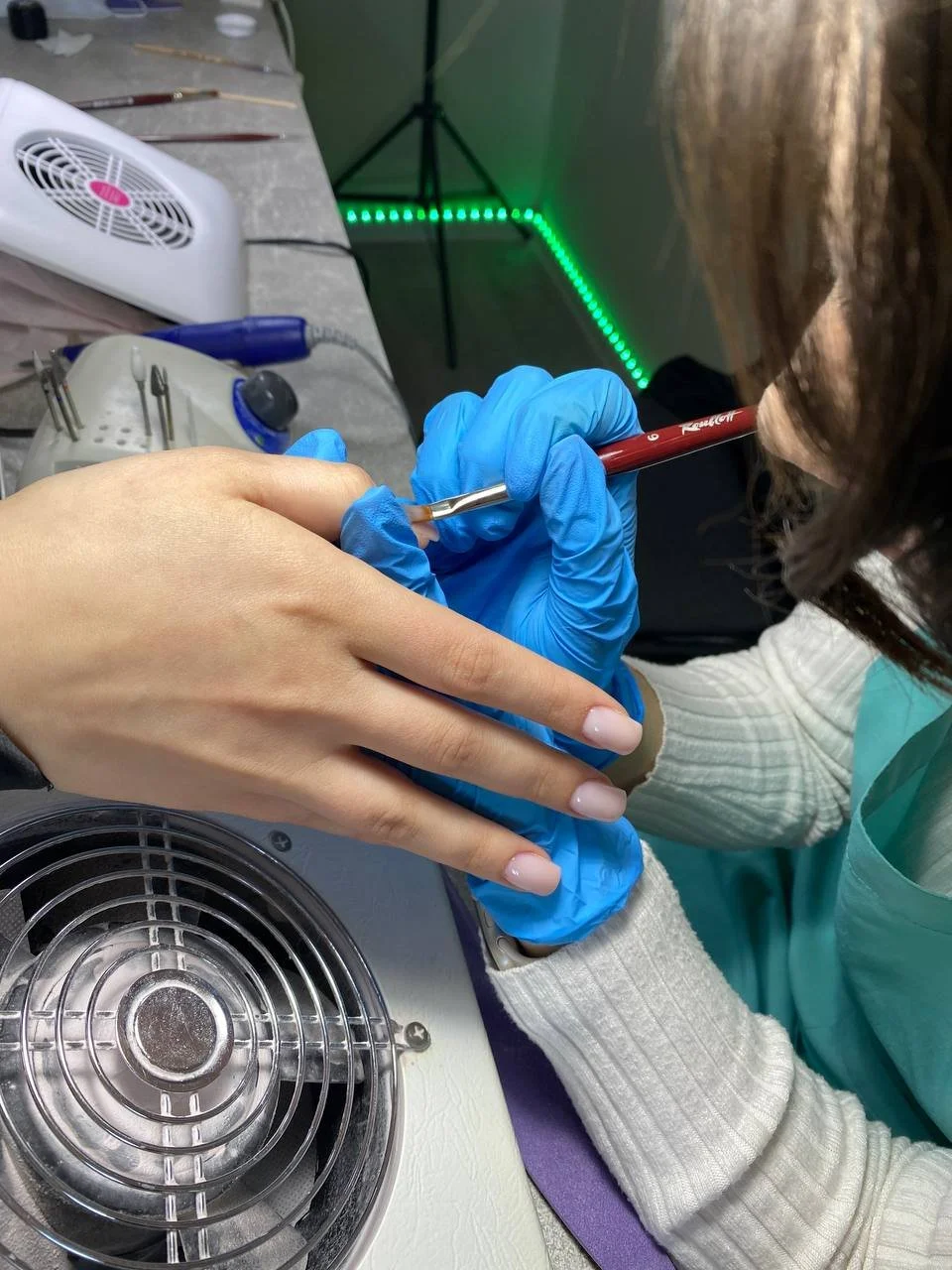
The Digital Trap: Why Watching Doesn’t Equal Skill
E-file work is not like learning nail art shapes or color combos. E-file safety is a tactile skill.
A video can’t tell you if you’re:
5 degrees off in your angle
applying pressure without realizing it
using a low-torque machine that forces you to push harder
“catching” the nail plate instead of floating over it
A camera shows results. It cannot correct your hand position, pressure, or control in real time - and that’s exactly why people end up with rings of fire.
What “Rings of Fire” Really Are (and Why They Happen)
Rings of fire are not a mystery. They are mechanical trauma: a semi-circular groove usually near the cuticle area, created when the e-file removes too much of the nail plate.
Think of it like this:
Russian manicure is precision work around a “zero margin” zone.
If you’re off by a little - you don’t just “mess up,” you remove structure.
1) Angle error: using the tip instead of the side
A common beginner mistake is “digging” with the nose of the bit.
Safe concept: the bit should glide (often near-parallel to the nail plate depending on the zone and bit shape).
Danger concept: tilting forward “to see better,” which engages the sharp point into keratin.
That point becomes a drilling tool, not an exfoliation tool.
2) Pressure error: pushing instead of floating (most common)
Most self-taught techs believe “lower RPM is safer.”
In reality, low RPM often makes the bit drag - and you compensate by pressing.
Safe e-file training teaches this rule: RPM + correct grit do the work. Your hand guides. Pressure is minimal.
Pressure + friction = heat + overfiling. That’s how rings of fire happen.
3) Equipment error: low torque machines create a damage loop
Here’s the trap: beginners buy drills that advertise high RPM but have weak torque.
What happens next:
the bit touches the nail and stalls
the tech adds pressure to “make it cut”
heat spikes, control drops, and damage happens fast
Professional training matters because you learn to recognize:
the sound/feel of a stable motor
when a bit is skipping or vibrating
how to prevent heat and slipping around the proximal fold
Mars Nails School: Built Around Safety, Not Shortcuts
At Mars Nails School, the goal is not “teach you steps.” The goal is to build control, diagnosis, and professional standards so you can perform Russian manicure safely on real clients in NYC.
1) Hand positioning (the part YouTube can’t fix)
Videos can’t correct your micro-movements. In-person coaching can:
- Adjust your wrist angle
- Stop pressure habits before they become automatic
- Build proper “floating” technique
- Correct posture and stability to prevent slips
This is what separates a self-taught drill user from a professional who can work safely at premium prices.
2) Skin & cuticle diagnosis (the red vs blue logic)
Most online tutorials show one model with one skin type. Real clients are different:
- Dry cuticle
- Wet / rubbery cuticle
- Thin, sensitive skin
- Thick, callused folds
A safety-first program teaches you how to choose abrasives and technique based on the client - not a trending clip.
| Client skin / cuticle type | Safer approach | Why it matters |
|---|---|---|
| Thin / sensitive | Finer abrasives + controlled passes | Reduces risk of micro-tears and overfiling |
| Wet / rubbery | Gentler technique + precision | Avoids tearing and pressure spikes |
| Dry / thick | Controlled, consistent exfoliation | Prevents overheating and repeated passes |
This diagnostic approach protects the nail plate and prevents rings of fire.
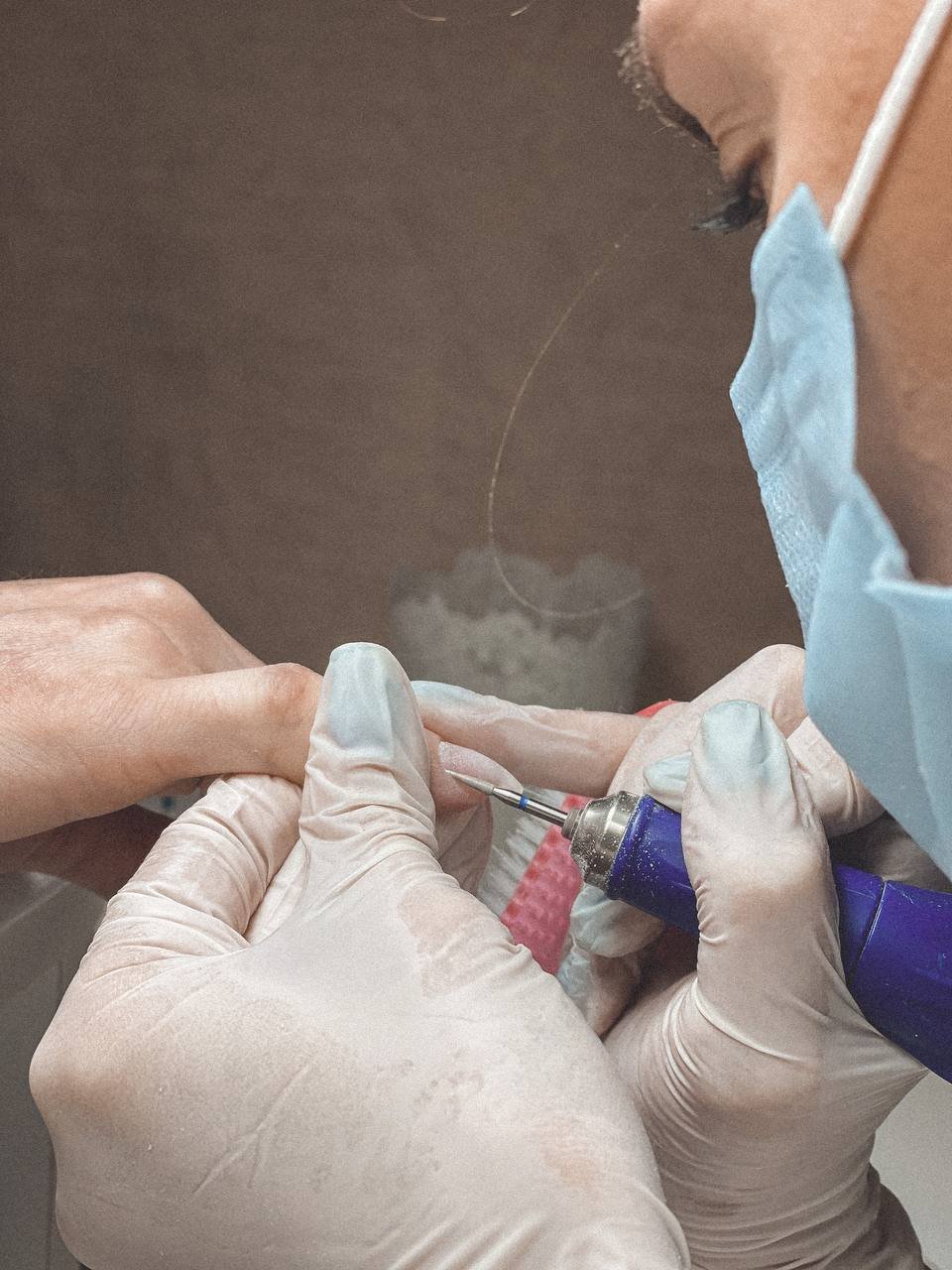
Gel removal with flame drill bit
A Simple Rule: Russian Manicure Isn’t Dangerous - Guessing Is
The e-file isn’t the enemy. The enemy is learning a precision skill with no supervision, no feedback, no correction. YouTube can show you the destination.
It cannot guide your hand on the road.
If you’re ready to learn Russian manicure safely, with a system built around control, diagnosis, and hygiene - explore Mars Nails School and choose the right course.