What Nail Techs Should Know Before Offering Russian Manicure
Russian manicure can be a valuable service upgrade for nail techs, but it changes more than the final look. It affects prep technique, e-file control, sanitation workflow, timing, product placement, and client communication.
Before adding it to your service menu, it is important to understand what the technique requires. Russian manicure is not just “closer cuticle work.” It is a detailed method that depends on precision, restraint, and safe tool handling. This guide explains what working nail techs should review before offering Russian manicure to clients.
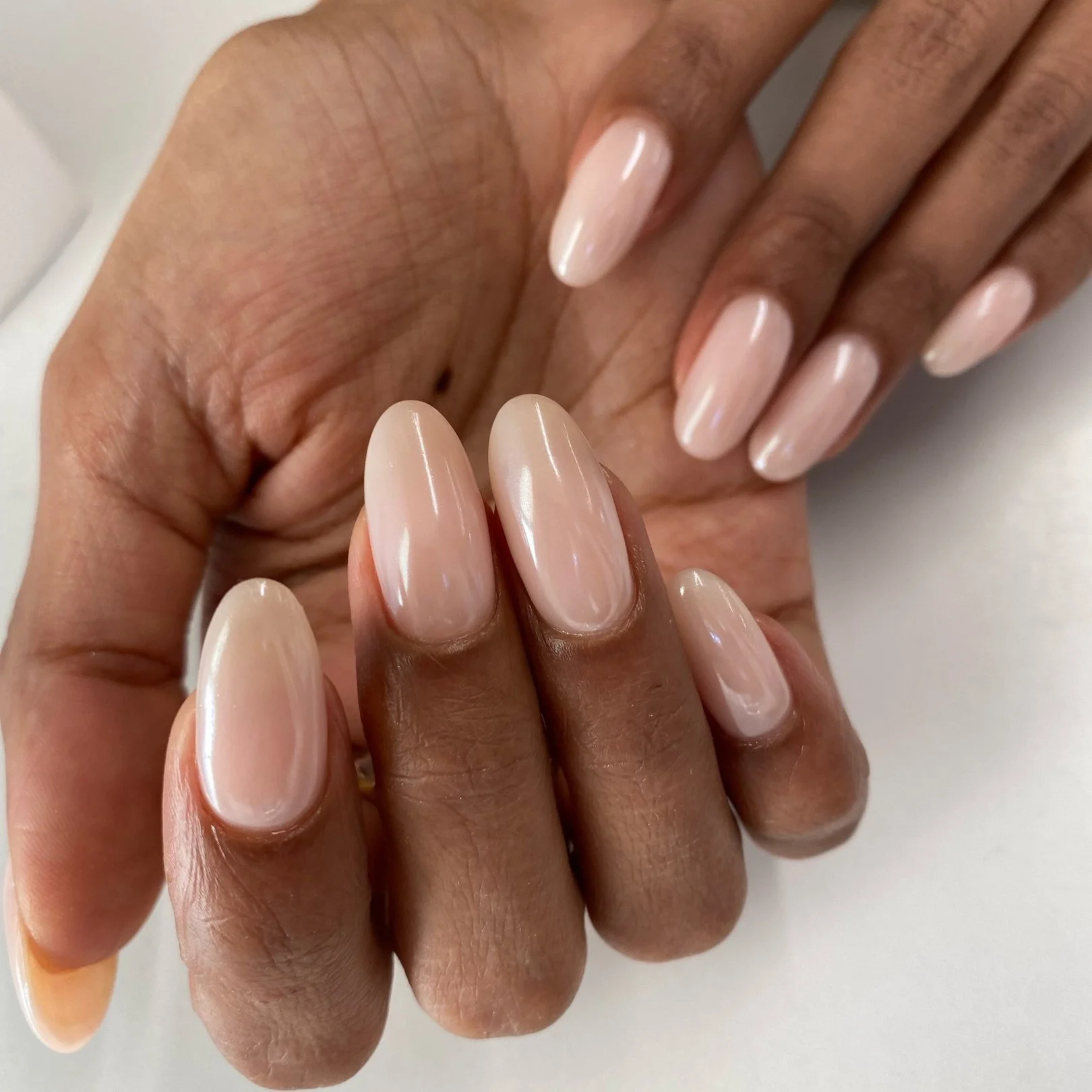
Detailed gel finish after clean prep
Why Client Expectations Are Changing Around Cuticle Work
Clients are paying closer attention to detail than ever before. They notice the cuticle line, the smoothness of the gel application, the shape, the sidewalls, and how fresh the manicure looks after leaving the salon.
For nail techs, this means that basic prep may not always meet the expectations of clients looking for a cleaner, more polished finish.
Russian manicure is often associated with:
detailed cuticle preparation
a cleaner product line near the cuticle area
more controlled gel application
a refined finished look
a more structured service workflow
However, the technique should never be treated as a shortcut to a premium result. It requires careful practice, sanitation awareness, and strong control of the e-file.
How Russian Manicure Differs from Classic Prep
Traditional manicure prep may include soaking, pushing back the cuticle, trimming, shaping, and polishing. Russian manicure is usually performed dry and relies more heavily on e-file technique.
That difference changes the entire service.
Instead of relying on water to soften the skin, the nail tech works with controlled bit movement and detailed preparation around the cuticle area. This requires a strong understanding of pressure, angle, bit selection, and tissue awareness.
Key differences include:
Dry Preparation
The service is performed without soaking, which means the nail tech must evaluate the skin and cuticle area more carefully.E-File Control
The e-file is used for detailed prep, so pressure and angle matter at every step.Cuticle Area Detail
The goal is clean preparation without overworking the skin or nail plate.Product Placement
Gel placement near the cuticle area requires control. Working too close without enough skill can create problems.Sanitation Workflow
Because the technique involves detailed tool work, clean tool handling and sanitation procedures must be part of the service from beginning to end.
What Changes in Your Salon Workflow
Adding Russian manicure to a service menu can affect how a nail tech plans appointments, communicates with clients, and prepares the workstation.
This type of service usually requires more focus and a more organized workflow than a standard gel manicure. A rushed approach can lead to inconsistent results or unsafe habits.
Before offering it, nail techs should think through:
how much time the service realistically takes
how tools are cleaned, disinfected, and prepared
which e-file bits are used for each step
how client skin type affects the approach
how to explain the service clearly
when not to perform detailed cuticle work
how to maintain consistency across all ten nails
Russian manicure is often positioned as a premium technique, but pricing and service structure should depend on skill level, timing, local market, and the quality of the finished result.
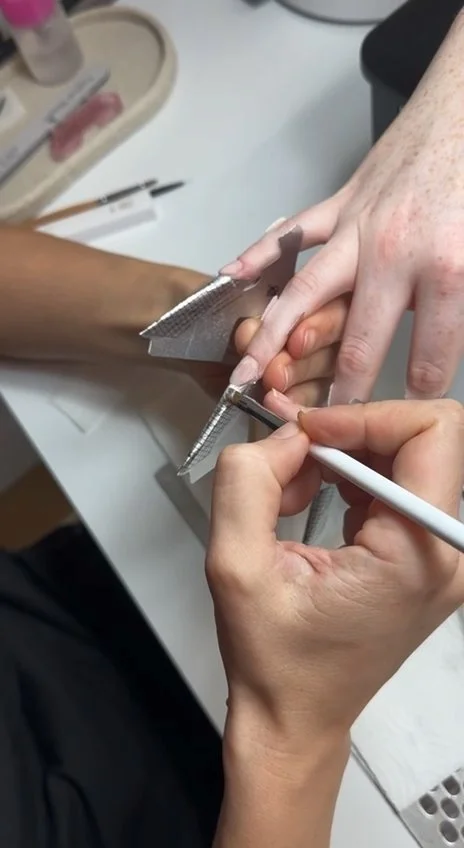
Product placement practice
How to Know When You Need More Guided Correction
Many nail techs try to improve Russian manicure by watching videos, practicing on silicone hands, or studying finished work online. These can help, but they do not replace direct feedback.
You may need more guided correction if you notice:
inconsistent cuticle lines
redness or irritation after prep
difficulty controlling pressure
product flooding near the cuticle
uneven gel application
heat spikes during e-file work
trouble choosing the right bit
slow timing without better results
The challenge with e-file work is that small mistakes can be hard to see while you are working. An instructor can correct the angle, pressure, hand position, and sequence in real time.
That feedback helps turn a technique into a repeatable professional workflow.
Next Step for Working Nail Techs
Russian manicure can be a strong service upgrade, but it should be added with care. The goal is not to copy a trend. The goal is to build cleaner prep, safer e-file habits, better product control, and a more consistent salon workflow.
Working nail techs who already have manicure experience and want structured correction can take the next step with Mars Nails School. Ready to refine your technique? View our gel manicure training for nail techs program or Russian manicure training for complete beginners .